
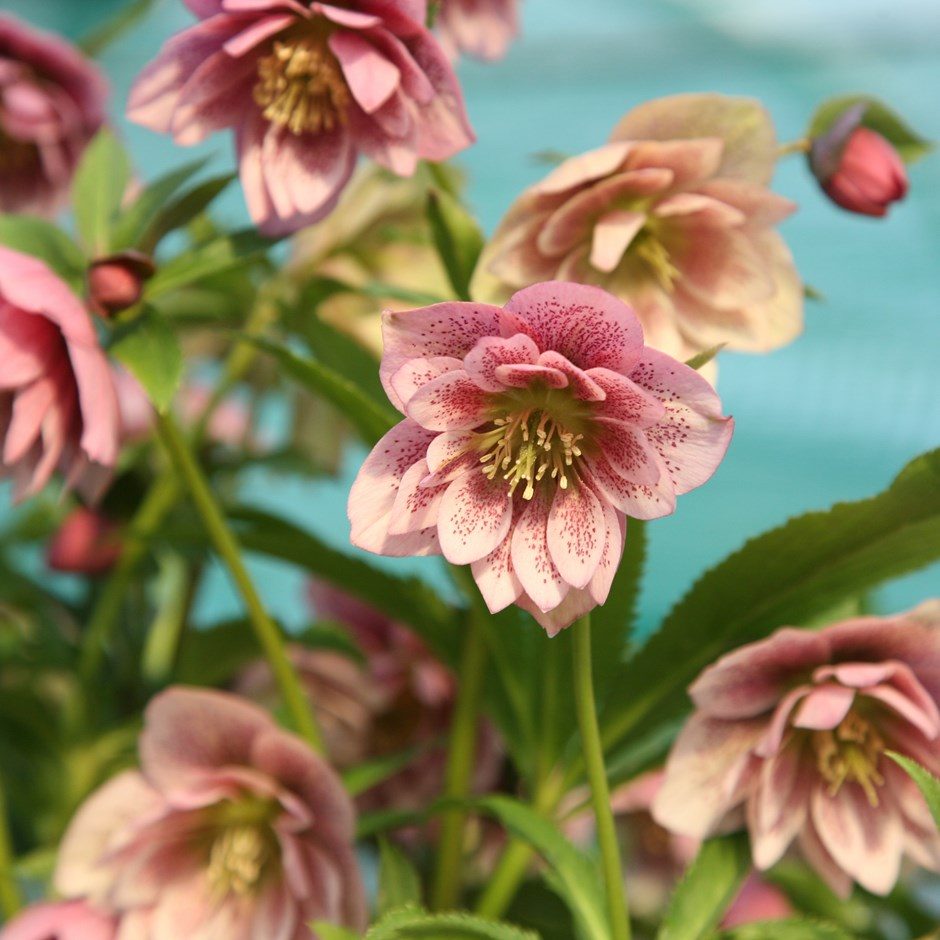
They say imitation is the most sincere form of flattery, and folks have been really hard at work in the lab trying to copy Mother Nature’s talent of hybridization.
What is Hybridization?
Hybridization can happen naturally, but often refers to pollination that is catalyzed by humans. Two species are cross-pollinated to produce a sub-species, stepping outside of what is normal for its parent plants to naturally produce. Plants are bred to have certain desirable characteristics like longer bloom times, bigger fruit, more color options, and disease-resistance.
What is Cross-Pollination?
Hybridization also happens naturally through cross-pollinating. Organisms have been hybridizing themselves since the dawn of time! Cross-pollination is the transfer of pollen from one plant to another. This is a process that happens through wind and/or symbiotic relationships of various pollinators and plants. Want to do a deeper dive on hybridization and cross-pollination? We recommend Botany for Gardeners by Brian Capon.
When a plant goes through the process of hybridization and cloning (meaning when humans get involved with creating sub-species), the plant changes so much that the species that depend on it for food don’t recognize it anymore. It becomes significantly less valuable to its ecosystem. Hybrids take up space that keystone species should be filling (learn about keystone species in our blog).


Examples of Common Hybrids

Most of us would recognize the well-known purple coneflower (Echinacea purpurea). This native species grows in a beautiful fuschia hue. Through hybridization, we have access to another kind of echinacea; the Cheyenne Spirit coneflower. This is a type of echinacea that was bred to grow in all kinds of colors; purple, pink, red, orange, yellow, cream, and white. Wow! It offers a pop of color for our gardens and viewing pleausure, but it doesn’t offer enough benefits to our pollinators. They need a reliable source of food and habitat, and they’re not used to this version of their staple coneflower. Double Coded Butter Pecan Echinacea (right) is another hybrid whose double creamy blooms stand tall and strong, giving the garden a creamy glow — but what about our pollinators? The double blooms that we enjoy don’t result in a double buffet for the pollinators.
Have you heard of the Kudos apple? This is a hybrid of the Honeycrisp (which is also a hybrid) and the Zestar. Kudos are celebrated for their lovely, red appearance, crisp, juicy texture and tropical taste. Genetically modifying plants to be bigger and better and then planting them by the acres is a form of monoculture, which is very damaging to the earth. When we buy this kind of produce, we are voting with our dollars. We are supporting a food system where people are trying to put fruit in a kind of “box;” designing every single Kudos apple to taste and look the same. This is not Mother Nature’s style. Biodiversity in agriculture creates stronger, more disease-resistant plants and better fruit – not necessarily sweeter or bigger, but just fruit in its natural state. The way plants and pollinators cross-pollinate is a natural and sustainable way of producing beautiful, healthy plants.
How to Support Ecosystems in Our Own Gardens
When we are planting echinacea and other pollinator-friendly plants in our gardens for the local butterflies and bees, we may automatically choose the attention-grabbing options (which are often hybrids). If we can opt for 50-70% of our plant material to be natives, then we are supporting the community! Let’s compromise and incorporate hybrids in a way that is considerate to the local creatures dependent on what we plant to survive. Here’s how you do it:

Surround a hybrid with native species so that we humans can enjoy their beauty, and so that the critters have the food and habitat that they need. We can certainly enjoy hybrids, but need to weigh the impact that we can have on our native critters by providing some of these keystone natives.
Thank you for taking some time to educate yourself about ways to support our local populations. Jen is always available for garden coaching. Sign up for a consultation here!
Until next thyme,
My Thyme Gardens
All photos by Jen Ott