
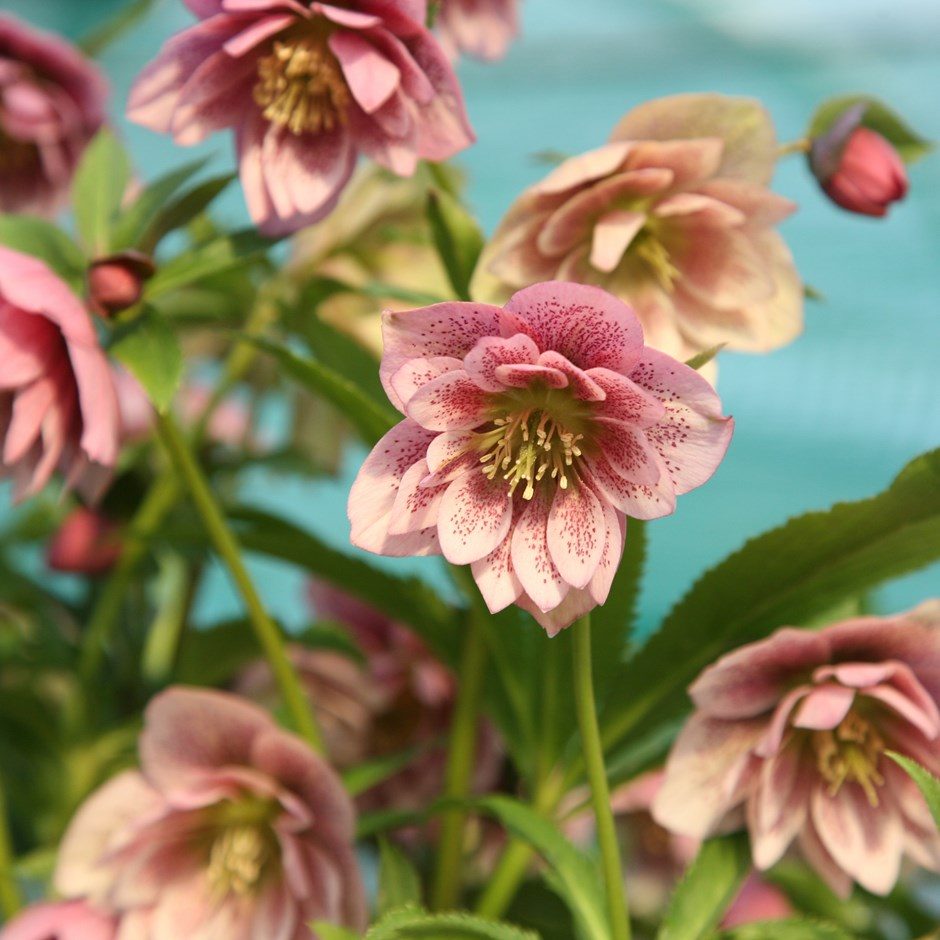
There goes another season!
Instead of immediately shifting into winter mode, we invite you to take a pause. This is an opportunity to reflect on the most recent growing season that you got to witness. Which areas of your garden thrived? Which areas didn’t? Mull over these questions while taking a meander through the garden. Absorb the experience through each of your senses while finding a sense of groundedness. Collect seeds from the skeletons of blooms past. The plants or flowers that became big and strong this year have a special story to pass on to the next generation. These tiny seeds hold information on how to grow in their environment while fighting diseases and absorbing nutrients.

On garden walks such as these, sometimes we realize that we are listening for what we want to hear, rather than the story we need to hear. The earth has so much to communicate to us, but instead of being open to it, we’re often trying to push our gardens into a “box.” For example, we hear a lot of Southeast Michigan gardeners requesting low-maintenance or no-maintenance landscapes. This often means monoculture rather than biodiversity. Gardens are healthier when there is variety in plantings. That means that they support our ecosystem, and all the creatures involved have a place to live and food to eat. It also means that we humans are more likely to interact with the garden and find more life lessons waiting for us.
As we mull over how to tend our gardens mindfully, our thoughts turn to the soil. In our region, the soil is often compacted clay, which doesn’t drain well. Local gardeners often choose to amend the soil so that they can grow large, healthy plants. However, a fun challenge is to instead lean into honoring the condition of the soil, then choosing plant material that thrives in that space and condition. Using native plants is a key to success. They don’t require much care or resources. Often, their long roots push deeper into the soil, breaking it up and accessing the resources stuck in the lower clay sections. They also summon local pollinators to nourish themselves! Talk about a low-maintenance garden that is all kinds of inviting. If you choose to amend the soil, then we suggest that you opt for plant materials that will work to adjust it naturally. Leave sod in the past, for it requires more chemicals.

While you reflect on how your spring bulbs performed, you can also see whether there is any border editing or dividing that needs to happen. If you notice that spring bulbs or other perennials lacked in their flower power, it’s often a sign that they need to be divided. Fall is a great time to dig in and find healthy divisions. Separate them and then either replant them in your garden, or share ’em with a friend.
Being open to messages from our gardens can help us grow in our understanding of how to be stewards of the earth. The quieter we can become as we are interacting with our gardens and other pockets of Mother Nature, the more easily we can receive information from her. We may even get to help heal the scars of the earth.

Remember that if you have any questions, garden coaching sessions are available. Jen is here to walk through your beds with you, teaching you how to make your garden a space of thriving, healing, and joy for all parts of our precious ecosystem.
Happy listening!
Until next thyme,
My Thyme Gardens